
How to Choose an Aluminum Composite Panel Factory?

Choosing the right Aluminum Composite Panel Factory affects more than purchase price. It influences façade safety, color stability, installation time, and long-term maintenance. A factory may display polished samples, yet production details matter more. Ask about aluminum alloy grades, core composition, coating thickness, and documented testing.

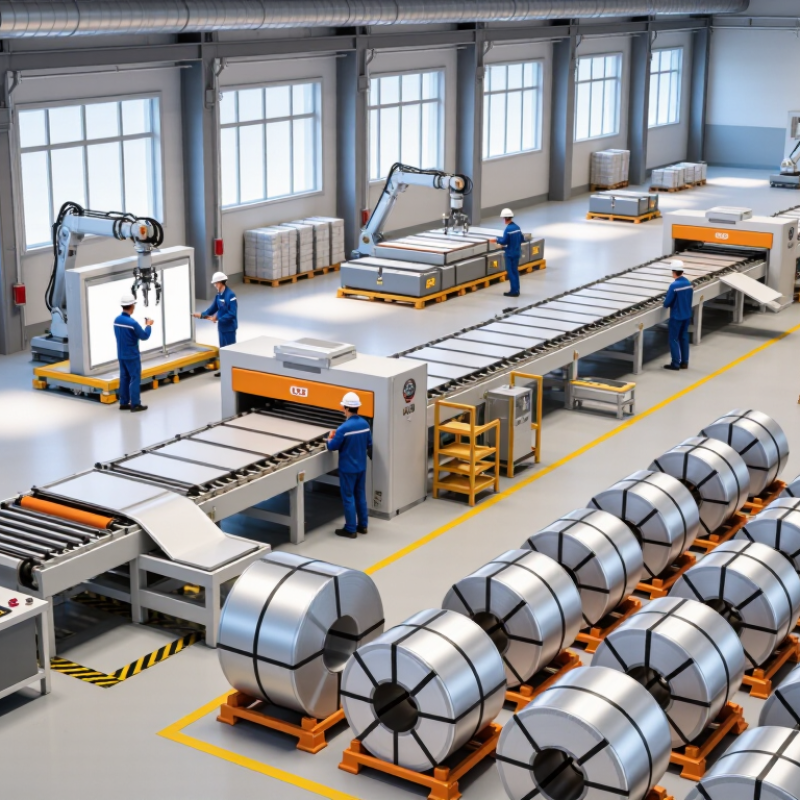
Dr. Stephen Selkowitz, a respected building-envelope researcher, explains, “The building envelope is the interface between the inside and outside.” This principle is useful when evaluating panel suppliers. A reliable factory should understand how panels perform under sunlight, rain, wind pressure, temperature changes, and repeated cleaning. Request technical datasheets, recent project references, coating warranties, and test reports from recognized laboratories. Visit the production line if possible. Look closely at coil storage, cutting accuracy, bonding equipment, and quality-control records. Small details often reveal factory discipline.

Do not choose from brochures alone. Compare actual samples under daylight. Check whether the surface feels even and whether corners remain stable after fabrication. Ask how the factory handles color matching between production batches. Also confirm packaging methods, delivery schedules, technical support, and installation guidance. These practical answers show experience.

Price still matters. It should not be the only measure.

A factory with impressive equipment may still provide weak communication. Another supplier may offer fewer machines but stronger project support. This is where judgment becomes difficult. Review evidence, not promises. Speak with contractors who have installed the panels. Their feedback may expose problems that sales material avoids. The best Aluminum Composite Panel Factory is not simply the cheapest or largest. It is the one that consistently connects material quality, documented performance, and dependable service.
How to Choose an Aluminum Composite Panel Factory?

Understanding Aluminum Composite Panel Types and Applications

How to Choose an Aluminum Composite Panel Factory?

Understanding Aluminum Composite Panel Types and Applications

Aluminum composite panels differ by core, surface coating, thickness, and fire performance. Standard polyethylene-core panels suit indoor walls, shop signs, and sheltered decorative areas. Fire-retardant or mineral-core panels are more appropriate for facades and buildings with strict safety requirements. Aluminum honeycomb panels offer greater stiffness for transport interiors, ceilings, and large-format structures. The right type depends on exposure, load, local codes, and installation details.

A reliable factory should explain these differences clearly, not simply recommend its most profitable product. Ask for core composition, aluminum skin thickness, coating data, fire-test reports, and weathering results. Check whether each production batch has traceable records. On a sample, inspect flatness, edge cutting, color consistency, and bonding. A glossy surface can hide weak adhesion.

It happens.

Application experience also matters. Exterior panels face sunlight, rain, wind, and thermal movement. Interior panels may need easy cleaning and lower weight. Signage often prioritizes smooth routing and vivid color. Ask the factory for comparable project evidence, installation guidance, and realistic service expectations. A low price may reflect thinner skins or weaker quality control.

However, expensive panels are not automatically better. I would compare tested performance with the project’s actual needs, then review the decision again before ordering.

Defining Project Requirements and Quality Standards

How to Choose an Aluminum Composite Panel Factory?

Defining Project Requirements and Quality Standards

Choosing an aluminum composite panel factory starts with a precise project brief. Record the panel thickness, dimensions, surface finish, color tolerance, and expected service environment. Mention exposure to sunlight, moisture, wind, chemicals, or heavy pedestrian use. These details affect the core, coating, and bonding requirements. Do not guess. A vague specification can produce attractive samples but poor site performance. From practical project reviews, I have found that small details, such as panel flatness and edge protection, often create larger installation problems. Ask the factory for production tolerances and packaging methods before placing an order.

Quality standards should be measurable, not merely described as “premium.” Request technical data, batch records, fire-performance reports, coating information, and independent test results. Check the testing dates, methods, sample thickness, and acceptance limits. A reliable factory should explain how it controls raw materials, lamination temperature, coating thickness, and final inspection. Visit the production area if possible. Look for clean storage, labeled materials, calibrated instruments, and traceable records. Certificates alone are not enough. I once focused too heavily on paperwork and overlooked inconsistent sample edges. That was expensive. Require a pre-production sample, approve it in writing, and define inspection procedures for the finished shipment.

Evaluating Factory Production Capabilities and Certifications

When choosing an aluminum composite panel factory, inspect production evidence, not polished brochures.

Ask how many coating, laminating, and cutting lines operate daily. A reliable factory should explain its maximum panel width, thickness range, monthly output, and maintenance schedule. Request a recent production record showing batch numbers, aluminum alloy, coating thickness, and core composition.

Certifications need careful checking.

The ISO Survey 2022 recorded more than 1.2 million ISO 9001 certificates worldwide, showing how common quality certification has become. However, an ISO certificate does not automatically prove excellent panels. Confirm the certificate’s scope, issuing body, expiry date, and audited facility.

ISO 14001 supports environmental management, while ISO 45001 indicates occupational health and safety controls. For fire performance, request current test reports against standards such as EN 13501-1 or ASTM E84, depending on the project location.

Walk through the quality laboratory if possible.

Look for coating-thickness gauges, peel-strength testing, color measurement, and weathering equipment. A factory should retain samples from each batch and provide traceability within minutes, not days.

I would also compare reported output with visible equipment and staffing. Capacity claims can be optimistic. Sometimes, a smaller line offers better inspection discipline, but this requires verification through sample testing, factory records, and independent laboratory results.

Comparing Materials, Customization, Pricing, and Lead Times

Choosing an aluminum composite panel factory requires more than comparing the lowest quotation. Material structure matters. Ask whether the core is polyethylene, fire-retardant, or mineral-filled. Request test reports for peel strength, coating adhesion, fire reaction, and weather resistance. The International Aluminium Institute reports that recycled aluminum uses about 5% of the energy required for primary aluminum. However, recycled content alone does not prove panel quality. Alloy grade, coating thickness, and bonding control remain critical.

Customization can affect both price and lead time. Confirm panel thickness, standard sizes, colors, surface finishes, CNC routing, and protective film requirements. A factory with digital cutting records can reduce dimensional errors. Pricing should separate aluminum, core, coating, tooling, packaging, and delivery. Recent aluminum market reports from the International Aluminium Institute show that energy and raw-material costs strongly influence production economics. Therefore, a fixed quotation without validity dates deserves careful review. It may not remain realistic.

Tips: Request three samples. Compare edges, flatness, gloss, and film removal. Ask for a production schedule with inspection points. Standard colors usually ship faster than custom finishes. A practical mistake is focusing only on the promised date. Check buffer stock and export documents too. In my experience, unclear approval procedures create more delay than manufacturing itself. I still find this easy to underestimate. A reliable factory should explain its limits, not simply promise everything.

How to Choose an Aluminum Composite Panel Factory?

Comparing material selection, customization capability, pricing, and production lead times.

Indicative planning benchmarks for commonly quoted 3–6 mm architectural aluminum composite panels. The price index uses standard PE-core panels as 100; actual pricing and lead times vary with alloy, coating specification, order volume, color matching, fire classification, and inspection requirements.

Verifying Samples, Service Quality, and Factory Reliability

How to Choose an Aluminum Composite Panel Factory?

An attractive sample proves very little. Ask for production samples, not only showroom pieces. Request the same alloy grade, core type, coating system, and thickness specified for your project. Measure panel flatness, gloss, color difference, and coating thickness under recorded conditions. Independent checks should follow relevant standards, such as ASTM D2244 for color and ASTM D903 for peel adhesion. For building projects, request verified fire-classification reports under the applicable EN or ASTM method. Do not accept vague test language. Ask for dated reports, laboratory identities, and batch numbers.

Audit the service behind the panel. Can the factory answer technical questions within one business day? Does it provide drawings, packing photos, replacement procedures, and shipment tracking? Request three recent project references, preferably with similar climates and panel dimensions. Call them yourself. Check complaint response times, corrective-action records, and promised lead times against actual delivery history. The ISO Survey of Management System Certifications records over one million ISO 9001 certificates worldwide, yet certification alone cannot prove consistent factory performance.

Factory reliability also means stable purchasing and traceability. Look for incoming-material records, calibrated instruments, retention samples, and documented final inspections. Grand View Research’s 2024 market report estimates the global aluminum composite panel market will expand at roughly 6% annually this decade. That growth attracts capable suppliers and careless shortcuts. One weakness remains: many buyers compare prices before verifying evidence. Reverse that habit. A neat showroom can mislead; the production floor tells more.

Go to Top