
China Top 10 Boiler Centrifugal Fan Suppliers

Choosing reliable suppliers matters when a Boiler Centrifugal Fan must operate beside heat, dust, and continuous vibration. China has developed a broad manufacturing base for industrial boiler fans. However, supplier quality varies. A polished catalogue cannot replace measured performance.

Dr. Charles E. Baukal Jr., a recognized combustion engineering author, has stated, “Combustion performance depends on controlling air, fuel, and mixing.” That principle also guides fan selection. A properly matched fan supports stable draft, efficient fuel burning, and safer boiler operation. The wrong model may create excessive noise, unstable pressure, or unnecessary motor consumption.

Details reveal experience. Inspect the impeller’s steel grade, weld quality, shaft alignment, bearing arrangement, and balancing records. Ask for airflow, pressure, temperature, speed, and motor-power data under stated conditions. Factory testing should include vibration readings, not only attractive photographs. Site support matters, too. A responsive supplier can help with installation, commissioning, and replacement parts.

This guide, “China Top 10 Boiler Centrifugal Fan Suppliers,” compares manufacturers through practical criteria. These include production capability, engineering expertise, quality controls, customization, delivery reliability, and after-sales service. Certifications are useful evidence, but they are not the whole answer. Independent verification remains valuable.

Some claims may be difficult to confirm. That is worth admitting. Supplier rankings can change as factories expand, technologies improve, or service weakens. Buyers should request current test reports and inspect references before signing contracts. Small oversights become expensive later. A dependable Boiler Centrifugal Fan should perform consistently, not merely look impressive in a brochure.
China Top 10 Boiler Centrifugal Fan Suppliers

What Are Boiler Centrifugal Fans and Where Are They Used?

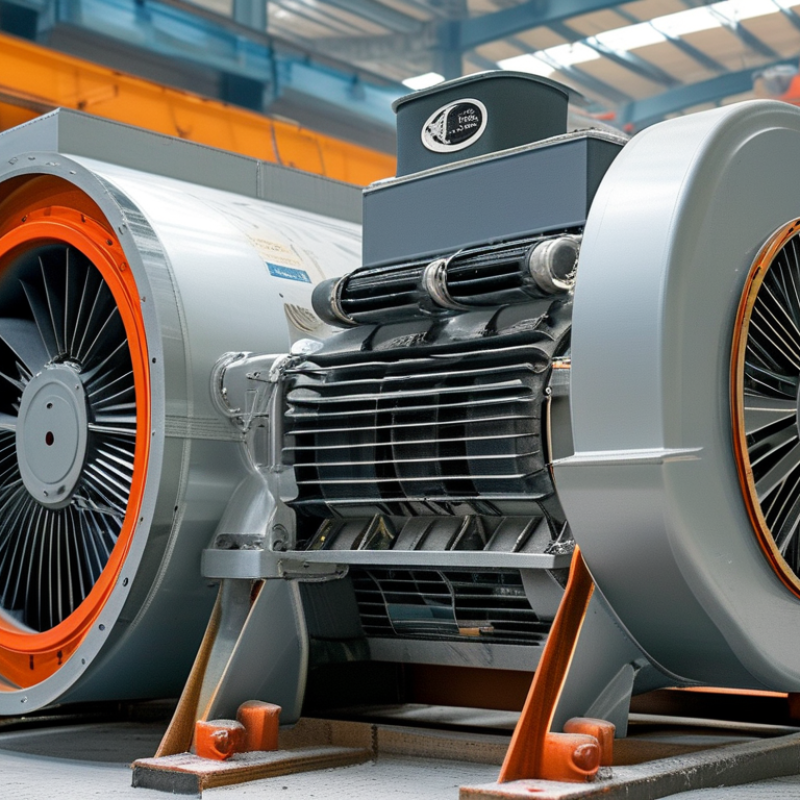
A boiler centrifugal fan is a mechanical device that moves air or combustion gases through a boiler system. Its curved blades create pressure while rotating inside a housing. Forced-draft fans push fresh air toward the burner. Induced-draft fans pull flue gas through heat exchangers and the chimney. Some systems use both fans to maintain balanced furnace pressure.

Airflow matters. In practical boiler rooms, these fans support stable combustion, better heat transfer, and controlled emissions. Their performance depends on air volume, pressure, temperature, and gas cleanliness. A fan handling dusty flue gas may need wear-resistant impellers and regular inspection. High-temperature applications also require suitable bearings, seals, and cooling arrangements. Vibration monitoring can reveal imbalance, loose foundations, or damaged blades before failure occurs. Noise matters too, especially near occupied maintenance areas.

Selection should match the boiler’s output and operating conditions, not only the motor rating. Engineers usually review the fan curve, efficiency range, inlet temperature, pressure loss, and control method. Variable-frequency control can adjust airflow as demand changes, reducing unnecessary power use. However, poor duct design can waste this benefit. In field experience, installation errors are sometimes underestimated. A misaligned coupling or restricted inlet may cause vibration, overheating, and unstable combustion. Even a correctly sized fan can perform poorly when maintenance access, insulation, or drainage has been overlooked.

How to Evaluate China’s Boiler Fan Suppliers

China Top 10 Boiler Centrifugal Fan Suppliers

How to Evaluate China’s Boiler Fan Suppliers

Selecting a boiler fan supplier requires more than comparing quotations. According to the IEA’s Energy Efficiency 2023 report, industry used about 37% of global final energy in 2022. Small efficiency losses can therefore increase operating costs significantly. Request a complete performance curve, including airflow, pressure, efficiency, noise, and motor power. Check whether tests follow AMCA 210 or an equivalent national standard. A factory certificate alone is not enough.

Review the supplier’s engineering experience with high-temperature, dusty boiler environments. Ask for balancing records, impeller material grades, bearing temperature limits, and vibration readings. ISO 9001 certification supports process control, but it does not guarantee product performance. Compare the proposed duty point with your real system resistance. Some suppliers present attractive airflow figures under laboratory conditions. That difference deserves attention. It is easy to overlook.

Tips: Request a witnessed factory acceptance test before shipment. Verify the test instrument calibration date. Ask for three recent references with similar boiler capacity. Examine spare-parts lead times and after-sales response procedures. Confirm packing details for long-distance transport. A cheaper fan may require more maintenance. The lowest quote is not always the lowest lifecycle cost. Also, leave room for reflection: your operating data may be incomplete, and supplier calculations can inherit that error.

China’s Top 10 Boiler Centrifugal Fan Suppliers

China’s Top 10 Boiler Centrifugal Fan Suppliers are often compared by price, capacity, and delivery speed. However, a reliable ranking requires deeper evidence. Experienced buyers should review fan pressure, airflow, temperature limits, noise levels, and motor efficiency. Factory visits can reveal welding quality, balancing equipment, and inspection procedures. A clean workshop helps, but it proves little alone.

Technical Evaluation
Boiler fans operate under heat, dust, vibration, and continuous load. Suppliers should provide performance curves based on tested operating conditions. Ask for impeller balancing records, material specifications, bearing details, and motor protection data. A trial run with measured airflow and pressure is more useful than attractive catalog figures. Request quality certificates and reports that match the actual production site. Small differences in duct resistance can change fan performance significantly.

Supplier Support
Strong suppliers also understand installation and maintenance. They can explain shaft alignment, foundation requirements, lubrication intervals, and spare-part planning. After-sales response matters when a boiler stops unexpectedly. Some suppliers communicate well before payment but respond slowly after delivery. That risk deserves attention. No supplier is perfect, and even a carefully selected fan may need adjustment on site. Buyers should compare technical support, warranty terms, export experience, and compliance with destination-market requirements before choosing among China’s leading boiler centrifugal fan suppliers.

Comparing Supplier Products, Certifications, and Services

China’s top 10 boiler centrifugal fan suppliers differ in more than price. Their product ranges may include induced-draft, forced-draft, and high-temperature exhaust fans. Compare airflow, static pressure, operating temperature, noise, and motor efficiency. Ask for performance curves at your actual working point. A catalog value is not enough.

Construction details reveal practical quality. Check impeller balancing records, shaft material, bearing type, casing thickness, and corrosion protection. For dusty boiler rooms, inspect sealing methods and cleaning access. Certifications also need careful review. ISO 9001 can support production consistency, while CE documentation may apply to certain equipment configurations. Request valid certificates, test reports, and traceable serial numbers. Do not rely on logos alone.

Services often separate a capable supplier from a merely available one. Strong suppliers provide selection calculations, layout drawings, vibration testing, spare parts, and commissioning guidance. Confirm response times, warranty coverage, installation support, and remote troubleshooting. Ask whether engineers have handled similar boilers and fuel conditions. A factory visit or witnessed factory acceptance test can reveal more than polished brochures. No comparison is perfect. Some suppliers may offer impressive technical files but weak after-sales communication. Others may communicate well while lacking testing depth. Record evidence in a comparison table, then judge value against operating risk, not purchase price alone.

China Top 10 Boiler Centrifugal Fan Suppliers – Comparing Supplier Products, Certifications, and Services

Anonymous supplier comparison based on commonly specified industrial boiler fan configurations and internationally used compliance requirements

Rank Supplier Code Typical Product Focus Common Airflow Range Typical Pressure Range Drive & Configuration Construction Features Common Certifications & Compliance Engineering & Testing Services Export & After-Sales Support Overall Assessment
1 Supplier A High-temperature induced-draft and forced-draft fans for utility and industrial boilers 10,000–420,000 m³/h 1,500–8,000 Pa Direct-coupled, belt-driven, or shaft-coupled; variable-frequency-drive compatible Carbon-steel casing, abrasion-resistant impeller options, inspection door, flexible coupling ISO 9001CE for applicable modelsGB/T manufacturing standards Fan selection calculations, balance testing, vibration testing, performance curves, customized inlet and outlet orientation Export packing, installation drawings, remote commissioning guidance, spare impellers and bearings ★★★★★
2 Supplier B Medium- and high-pressure fans for biomass, coal-fired, and waste-heat boiler systems 8,000–300,000 m³/h 1,000–6,500 Pa Single-inlet and double-inlet arrangements; motor and bearing pedestal options Heavy-duty welded frame, replaceable wear plates, high-temperature bearing arrangement ISO 9001CE documentation availableMaterial certificates on request Duty-point verification, impeller balancing, motor matching, factory inspection reports Container loading plans, English manuals, remote technical support, standard spare-parts lists ★★★★★
3 Supplier C Compact forced-draft and exhaust fans for package boilers and process-heating equipment 3,000–120,000 m³/h 800–4,500 Pa Direct drive and belt drive; three-phase motor configurations Compact footprint, galvanized or painted casing, backward-curved or radial blades ISO 9001CE for selected productsElectrical documentation Application consultation, CAD outline drawings, airflow-pressure selection, routine balance inspection Shorter production cycles for standard models, export cartons or wooden cases, online support ★★★★☆
4 Supplier D High-temperature flue-gas and induced-draft fans for demanding combustion systems 15,000–350,000 m³/h 2,000–9,000 Pa Coupled drive with cooling disc or extended shaft; inverter-ready motors Heat-resistant steel options, shaft sealing, wear-resistant liners, thermal expansion allowance ISO 9001CE technical fileWelding quality records Temperature and corrosion assessment, rotor dynamic balancing, factory acceptance testing, site troubleshooting Project documentation packages, commissioning supervision by arrangement, critical spare-parts planning ★★★★☆
5 Supplier E Energy-efficient backward-curved centrifugal fans for commercial and industrial boiler rooms 5,000–180,000 m³/h 600–3,800 Pa High-efficiency motor, belt drive, or direct drive; variable-speed control support Streamlined impeller, low-leakage housing, galvanized or powder-coated finish ISO 9001CE marking where requiredEfficiency test records Energy-use estimation, operating-point optimization, sound-level testing, vibration measurement Digital manuals, remote selection support, routine warranty assistance, replacement component supply ★★★★☆
6 Supplier F Large-volume double-suction fans for power-generation and district-heating boilers 30,000–650,000 m³/h 1,200–7,500 Pa Double-inlet, double-width designs; pedestal-mounted bearings and flexible coupling Structural steel base, split casing options, replaceable impeller wear components ISO 9001CE documentation availablePressure-test records System resistance calculations, rotor balancing, factory load testing, foundation and alignment drawings Heavy-equipment export packing, lifting instructions, installation supervision by contract, long-term spares support ★★★★☆
7 Supplier G Dust-handling and abrasive-gas fans for biomass and solid-fuel combustion plants 7,000–260,000 m³/h 1,500–7,000 Pa Overhung or pedestal-mounted shaft; belt and coupled drive options Thickened impeller blades, replaceable liners, anti-abrasion coatings, clean-out access ISO 9001CE for applicable configurationsMaterial traceability Dust-load evaluation, wear-life recommendations, balance testing, operating-condition review Wear-part supply, maintenance schedules, remote diagnosis, export documentation support ★★★★☆
8 Supplier H Small and medium boiler fans for food processing, textile, chemical, and general manufacturing plants 2,000–90,000 m³/h 500–3,000 Pa Direct-drive and belt-drive units; standard three-phase motor integration Compact housing, standard carbon-steel construction, corrosion-protection coating options ISO 9001CE documentation on requestRoutine inspection records Basic fan selection, dimension confirmation, airflow testing, wiring and control recommendations Competitive standard-model lead times, multilingual manuals, spare motor and bearing options ★★★☆☆
9 Supplier I Customized centrifugal fans for multi-fuel boilers and retrofit emission-control projects 6,000–240,000 m³/h 900–6,000 Pa Custom shaft, coupling, and motor arrangements; compatible with PLC and VFD control systems Custom inlet geometry, corrosion-resistant materials, access doors, flexible mounting solutions ISO 9001CE technical documentationProject quality plans Site survey, retrofit measurement, CFD-supported design where required, performance verification and commissioning Project-based delivery schedules, customized documentation, on-site service by arrangement, lifecycle support ★★★★☆
10 Supplier J Standardized boiler-room exhaust and combustion-air fans for OEM and replacement applications 1,500–75,000 m³/h 400–2,500 Pa Direct drive, belt drive, and adjustable-speed configurations Modular casing, backward-curved impeller, low-maintenance bearings, protective guards ISO 9001CE for eligible modelsRoutine factory testing Catalog selection, duty-point confirmation, noise and vibration checks, dimensional drawings OEM labeling support without public brand disclosure, export packaging, standard warranty and spare parts ★★★☆☆
Comparison note: Airflow and pressure values are typical selection ranges for the stated application categories. Certification scope, test documentation, materials, delivery time, warranty terms, and site-service availability should be verified against the final quotation and project specification.

How to Choose the Right Chinese Boiler Fan Supplier

China Top 10 Boiler Centrifugal Fan Suppliers

How to Choose the Right Chinese Boiler Fan Supplier

When choosing a Chinese boiler centrifugal fan supplier, begin with operating data. Provide airflow, total pressure, gas temperature, dust content, altitude, and working hours. A serious supplier should verify these details before offering a model. Ask for a performance curve, efficiency data, noise readings, and motor information. Do not select equipment from price alone. Small gaps matter.

Request drawings that show impeller diameter, rotation direction, inlet size, outlet position, and maintenance access. The selected steel grade should match temperature, moisture, and corrosion conditions. For high-temperature service, inspect shaft protection, bearing cooling, and expansion arrangements. Ask how dynamic balancing is performed. Factory testing should include vibration, insulation, and trial operation records. Factory evidence matters.

A dependable supplier also explains delivery limits and installation risks. Check whether spare bearings, flexible connectors, and wear parts remain available. Review warranty terms, inspection procedures, export documents, and technical support response times. Contact recent customers with similar boiler loads, not only large showcase projects. A clear communication process prevents many site problems.

I would not trust a perfect quotation. It may hide assumptions. Compare the supplier’s calculations with your actual operating conditions. One overlooked detail, such as dusty gas or unstable voltage, can shorten fan life. Request a signed technical specification before payment. It creates accountability and gives both sides something concrete to review.

Go to Top