2026 Top Types of 16x8 Garage Doors for Global Buyers
Choosing a 16x8 garage door is not simply a matter of matching a catalog size. It involves climate, building design, available headroom, security expectations, and daily traffic. The “16x8” label usually describes the opening, not the exact installed door. That assumption deserves checking. A few centimeters can affect tracks, seals, and opener clearance.
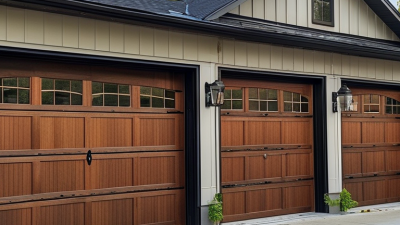
Tom Wadsworth, a longtime technical expert associated with the Door and Access Systems Manufacturers Association, has noted, “The garage door is the largest moving object in most homes.” His observation matters even more for global buyers selecting a wide 16x8 garage door. A heavy insulated steel sectional door may suit cold regions and attached garages. A corrosion-resistant aluminum full-view model may perform better near humid coastlines. Roll-up doors can save ceiling space, while side-hinged designs offer a traditional appearance and simple manual operation. Carriage-house styles add character, but their decorative hardware can require more maintenance.
Performance should guide appearance. Buyers should compare insulation values, wind-load ratings, panel construction, spring systems, weather seals, and replacement-part availability. Local installers should confirm opening measurements and regional safety requirements. These details are easy to overlook.
Real-world use can expose weaknesses. A beautiful door may rattle in strong wind. A low-cost model may suffer from weak seals or limited service support. There is no perfect type for every market. This guide examines the leading 2026 options, their practical strengths, and the compromises buyers should consider before ordering a 16x8 garage door.
Understanding 16x8 Garage Door Dimensions and Global Standards
2026 Top Types of 16x8 Garage Doors for Global Buyers
A 16x8 garage door is usually a nominal size, not the exact installed opening. It represents 16 feet wide and 8 feet high. That equals 192 by 96 inches, or approximately 4,877 by 2,438 millimeters. Metric suppliers may list it as 4.8 by 2.4 meters. Check the actual specification carefully.
The finished opening can be smaller than the door panel. Framing, tracks, seals, and hardware require working space. Sectional doors need suitable headroom and backroom for horizontal tracks. Roller doors usually need a compact curtain box above the opening. Swing doors require clear driveway space. I have seen projects fail because buyers measured the concrete opening only. The ceiling was forgotten.
Global standards are not identical. Wind-load design, insulation ratings, safety devices, electrical systems, and testing methods may differ by region. A coastal site may need stronger reinforcement than an inland workshop. Cold climates also demand better seals and thermal performance. Ask for tested load data, material details, installation drawings, and maintenance instructions. Confirm whether measurements describe the clear opening, door leaf, or rough opening. That wording matters.
Not always obvious. A larger visible frame can reduce vehicle clearance. Local installers should verify structural conditions and required safety features before production. International buyers should also compare millimeter dimensions, tolerance ranges, and operating space. Small errors become expensive when shipping is involved.
2026 Top Types of 16×8 Garage Doors for Global Buyers
Understanding 16×8 garage door dimensions and global measurement standards.
Sectional Door
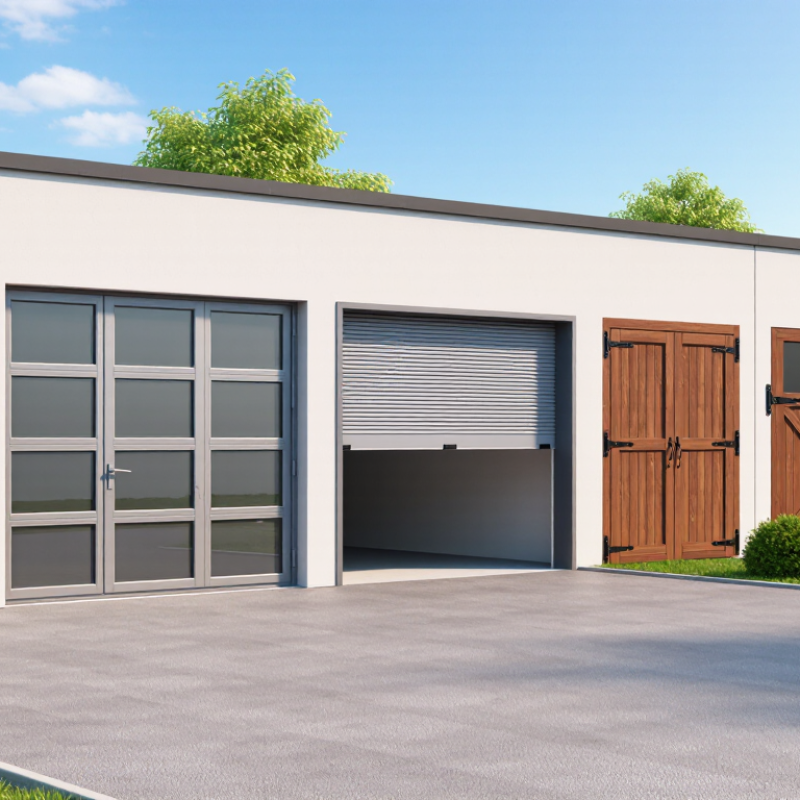
Horizontal panels travel vertically and overhead, making this a common choice for residential and light commercial openings.
Rolling Door
The curtain rolls above the opening and can be suitable where overhead panel clearance is limited.
Tilt-Up Door
A single rigid panel pivots outward and upward, requiring sufficient exterior and ceiling clearance.
Side-Hinged Door
Two or more leaves swing sideways and can be useful when frequent pedestrian access is required.
A nominal 16×8 garage door is 16 feet wide by 8 feet high, equivalent to 192×96 inches or approximately 4,876.8×2,438.4 mm. Actual door-panel dimensions, frame requirements, tracks, seals, and installation clearances vary by construction and local building practice. Always confirm the finished opening and required headroom before ordering.
Comparing the Main Types of 16x8 Garage Doors
2026 Top Types of 16x8 Garage Doors for Global Buyers
Comparing the Main Types of 16x8 Garage Doors
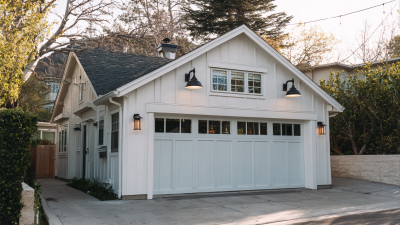
For global buyers, a 16x8 garage door must match both the opening and the building’s daily use. Sectional doors remain a practical choice. Their horizontal panels move vertically, then rest beneath the ceiling. Insulated panels can reduce heat transfer and outside noise. They suit homes, workshops, and attached garages. However, they require enough headroom and careful track alignment. A small measurement error can affect the entire installation.
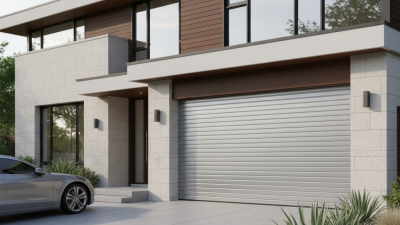
Roll-up doors use compact slats that coil above the opening. They save ceiling space and work well in commercial or storage settings. Their insulation performance varies widely, so buyers should inspect the slat structure and bottom seal. Tilt-up doors use one solid panel. They often have a simple appearance and fewer moving sections. Yet, they need clear space outside during operation.
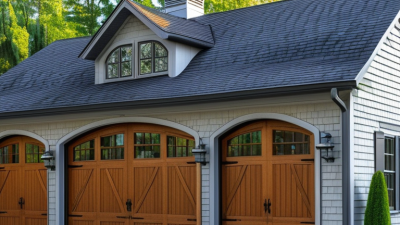
Side-hinged doors open outward like traditional entry doors. They provide easy pedestrian access but require a wider driveway area.
A reliable comparison should include wind exposure, temperature changes, corrosion risk, and maintenance access. Ask for verified dimensions, material details, tested load performance, and installation guidance. Local technicians should check the frame before ordering. I have seen buyers focus on panel style and overlook spring clearance. That mistake becomes expensive later. Weather seals may also need replacement sooner in coastal or dusty regions. No type is perfect. The best selection depends on space, climate, security expectations, and repair support.
Choosing Opening Systems, Designs, and Security Features
A 16x8 garage door measures approximately 4.88 by 2.44 meters. Its opening system must match the building’s headroom, ceiling depth, and climate. Sectional doors suit many homes because their panels track vertically and save driveway space. Roller systems need less ceiling clearance, but they can reduce insulation performance. Swing-out designs create a traditional appearance, yet require clear space outside the garage.
Design choices should support daily use, not only visual appeal. Insulated steel or composite panels can improve comfort near living areas. Weather seals matter in windy or wet regions. The U.S. Department of Energy recommends considering air leakage and insulation together, because insulation alone cannot correct poor seals. That detail is often missed.
The 2024 National Association of Realtors Remodeling Impact Report recorded 194% cost recovery for garage door replacement, showing that appearance and function can influence property value.
Security begins with controlled access.
Choose rolling-code remotes, automatic closing, battery backup, and an emergency manual release. The opener should include tested entrapment reversal, aligned photoelectric sensors, and a wall control positioned away from children. UL 325 requirements provide a useful safety reference for automatic operators. Still, compliance is not the same as good installation. A badly balanced door can strain the motor and create failure points. Buyers should verify local electrical rules, wind-load requirements, and service availability before selecting a system. A keypad is convenient, but convenience can become a weakness without a strong access code.
Selecting the Right 16x8 Garage Door for Different Markets
Selecting a 16x8 garage door for a global project requires more than checking the opening size. The same dimensions perform differently in coastal, tropical, cold, and dry regions. Coastal buyers should prioritize corrosion-resistant hardware and sealed panels. Cold climates need reliable weather seals, insulation, and low-temperature operating performance. In hot markets, reflective finishes and ventilation can reduce heat buildup inside the garage. Practical purchasing experience shows that door weight also matters. Heavy insulated sections may require stronger springs, tracks, and openers.
Market standards deserve equal attention. Confirm local wind-load requirements, safety features, electrical compatibility, and installation practices before ordering. A door can fit perfectly yet fail during installation if tracks, brackets, or clearances differ. Even experienced buyers sometimes overlook this detail. For commercial properties, frequent cycles justify durable rollers and serviceable components. Residential buyers may value appearance, quiet movement, and lower maintenance instead. Do not judge quality from panel thickness alone. That shortcut often misleads. Ask for test data, drawings, warranty terms, spare-part availability, and cleaning guidance. A qualified local installer should review the specifications.
Tips: Measure the finished opening, headroom, sideroom, and backroom twice. Share clear site photos. Compare total delivered cost, not the door price alone. Check packaging for humid or long-distance transport. If uncertain, choose a simpler configuration that local technicians can repair. Less exciting, but often more dependable.